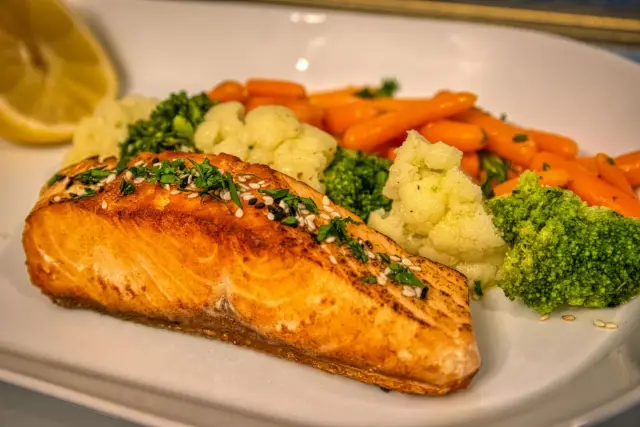
The highest-protein vegetables are edamame and green peas, followed by broccoli, Brussels sprouts, spinach, asparagus, and mushrooms, with protein-rich legumes like lentils and chickpeas in a class of their own. They will not replace a chicken breast, but they add up, and they round out a protein floor nicely, especially on plant-forward or meat-light days.
Do vegetables really count?
They count, with a caveat. Most vegetables carry modest protein compared with meat, fish, dairy, or legumes, so they are best thought of as support rather than the anchor of a meal. But support matters. A day built around a couple of protein anchors, then filled out with high-protein vegetables, reaches a floor more easily and brings fibre, volume, and nutrients along for the ride. The trick is knowing which vegetables actually pull their weight.
The highest-protein vegetables
Ranked roughly by how much protein they bring:
- Edamame is the clear leader, with about 17 grams of protein per cooked cup. It doubles as a snack and a side.
- Green peas offer around 8 grams per cup, high for a everyday vegetable.
- Broccoli and Brussels sprouts land near 2 to 3 grams per cooked cup, modest but easy to eat a lot of.
- Spinach and other leafy greens add a couple of grams per cooked cup and stack up in a big salad or a handful blended into a shake.
- Asparagus and mushrooms round out the list with smaller but useful amounts.
Individually these are small numbers. Across a full day of vegetables, they add up to a meaningful contribution to your floor.
Legumes: the heavy hitters
If you are willing to count legumes as part of the vegetable aisle, they change the math entirely. Lentils bring roughly 15 to 18 grams of protein per cooked cup, and chickpeas and other beans are close behind. They also deliver fibre that keeps you full. A lentil or bean base can genuinely anchor a plant-forward meal in a way broccoli cannot, which is why they are the backbone of most successful plant-based protein floors.
Leafy greens support your floor. Legumes can anchor it. Knowing the difference is most of the game.
How to use them
Treat high-protein vegetables as a reliable top-up rather than the main event. Add edamame or peas to a stir-fry, build a salad on a lentil or chickpea base, blend spinach into a protein shake, or roast a big tray of broccoli and Brussels sprouts to have on hand. Stacked on top of your protein anchors, they close the gap to your floor while making the meal bigger and more satisfying. The staple anchors are in high-protein foods for maintenance.
For plant-based days
On fully plant-based days, lean on the concentrated sources, tofu, tempeh, edamame, seitan, lentils, and beans, and combine them across the day so you cover the full range of amino acids. High-protein vegetables and whole grains fill in around them. It takes a little more planning than an omnivore day, but a protein floor is very reachable without meat, and protecting muscle still comes down to the same protein-plus-strength pairing.
How OffRamp helps
OffRamp counts protein from every source, plants included, so you always know exactly where your daily floor stands without doing the arithmetic yourself. Log a food by photo, search, or barcode, and it lands on your floor. It is one piece of the system behind keeping the weight off, whatever your plate looks like.