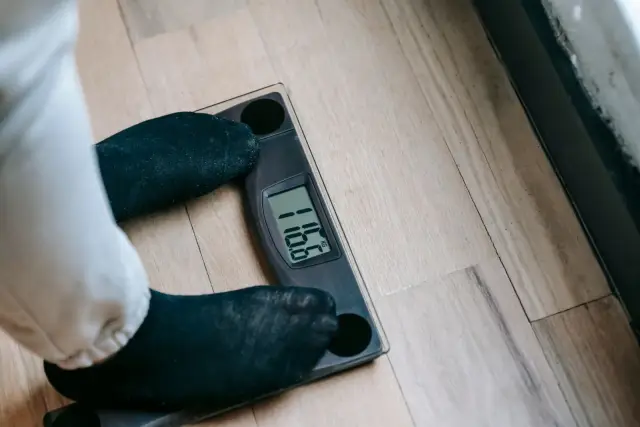
Stopping Ozempic does not usually cause a classic drug withdrawal. There is no physical dependence to break and no defined taper syndrome the way there is with some medications. What people call the side effects of stopping are really the medication wearing off: appetite comes back, the food noise gets louder, digestion speeds up again, and the scale often starts to drift. None of that is dangerous by itself, but it can blindside you if nobody set the expectation.
This is a general description of what people commonly report, not medical advice. Anything that genuinely worries you, or anything tied to a condition you were prescribed the medication for, is a conversation for your prescriber. With that said, here is what the transition usually feels like.
Is there a withdrawal from stopping Ozempic?
Not in the way that word usually means. You are not breaking a dependence. What you are doing is removing a strong appetite suppressant, so your appetite returns to something closer to its untreated baseline. It can feel dramatic precisely because the contrast is large, but it is the absence of an effect, not a new symptom being added.
That reframe matters. If you expect a withdrawal, returning hunger feels like something has gone wrong. If you expect your old appetite to come back, the same feeling reads as predictable, and predictable things are manageable. We walk through the timeline in more detail in what happens when you stop taking a GLP-1.
What you will actually notice
The common experiences cluster into a handful of changes:
- Appetite returns. The biggest and most universal one. Meals stop feeling as filling, and hunger arrives sooner between them.
- Food noise gets louder. The quiet the medication gave you fades, and the background chatter about food comes back. Having a plan for food noise before it returns helps.
- Digestion speeds up. Ozempic slows how fast the stomach empties. Off it, that effect fades, so any nausea or fullness or constipation some people had tends to ease.
- The scale drifts. Not overnight, but a gradual climb is common if nothing else changes to replace the appetite control.
- Energy or mood may shift as your eating patterns move. This is usually secondary to the changes in appetite and food.
Returning hunger is not a malfunction. It is your untreated appetite coming back into view, on schedule.
How long do the effects last?
The appetite change is not temporary in the way a withdrawal would be. It is your new normal until you give your body another reason to feel full, which is what a protein-forward way of eating does. The digestive changes settle over a few weeks. The weight question depends entirely on what you put in place, which is the part you control.
What is not a side effect
It helps to separate the expected return of appetite from a genuine medical symptom. Feeling hungrier, thinking about food more, and drifting up a couple of pounds are expected. New pain, persistent vomiting, or anything tied to blood sugar if you were treated for diabetes is not something to interpret from an article. That belongs with your prescriber. The NIDDK overview of weight-management medications is a solid, plain-language primer if you want the clinical background.
What actually helps
The transition goes best when you replace what the medication was doing rather than white-knuckling the gap. Three moves cover most of it: hit a daily protein floor so meals stay filling, keep two short strength sessions a week to protect the muscle that protects your metabolism, and track your weight as a trend so any drift shows up while it is still small. That is the same system behind not gaining the weight back.
A simple plan for the first month
If you want a concrete shape for the transition, here is one that works. It is behavioral, not medical, and it sits alongside whatever your prescriber has advised.
- Week one: set your baseline. Start weighing most mornings and let a trend line build. You are not reacting to numbers yet, just establishing where you are as the medication begins to clear.
- Week two: lock in the protein floor. Appetite is usually stirring by now. Build every meal around a protein first, and front-load breakfast so the day starts full. This habit does the most to keep returning hunger in check.
- Week three: add two strength sessions. Short and at home is fine. This is when protecting muscle starts to matter, because the fat loss has stopped and lean mass is what holds your metabolism up.
- Week four: read the trend, not the day. By now you have a real trend line. If it is flat, you are maintaining. If it is drifting up, you catch it here, at two or three pounds, while the fix is small.
That is the whole first month. Nothing dramatic and no diet, just the appetite control the medication used to provide, rebuilt as habits you run yourself.
How OffRamp helps
OffRamp is designed for the wearing-off window. It sets your protein floor and makes logging a two-second habit, includes short home strength sessions, and watches your weight trend so a real regain gets flagged early instead of discovered late. You handle the medical side with your prescriber. OffRamp handles the maintenance side, quietly, in the background.